


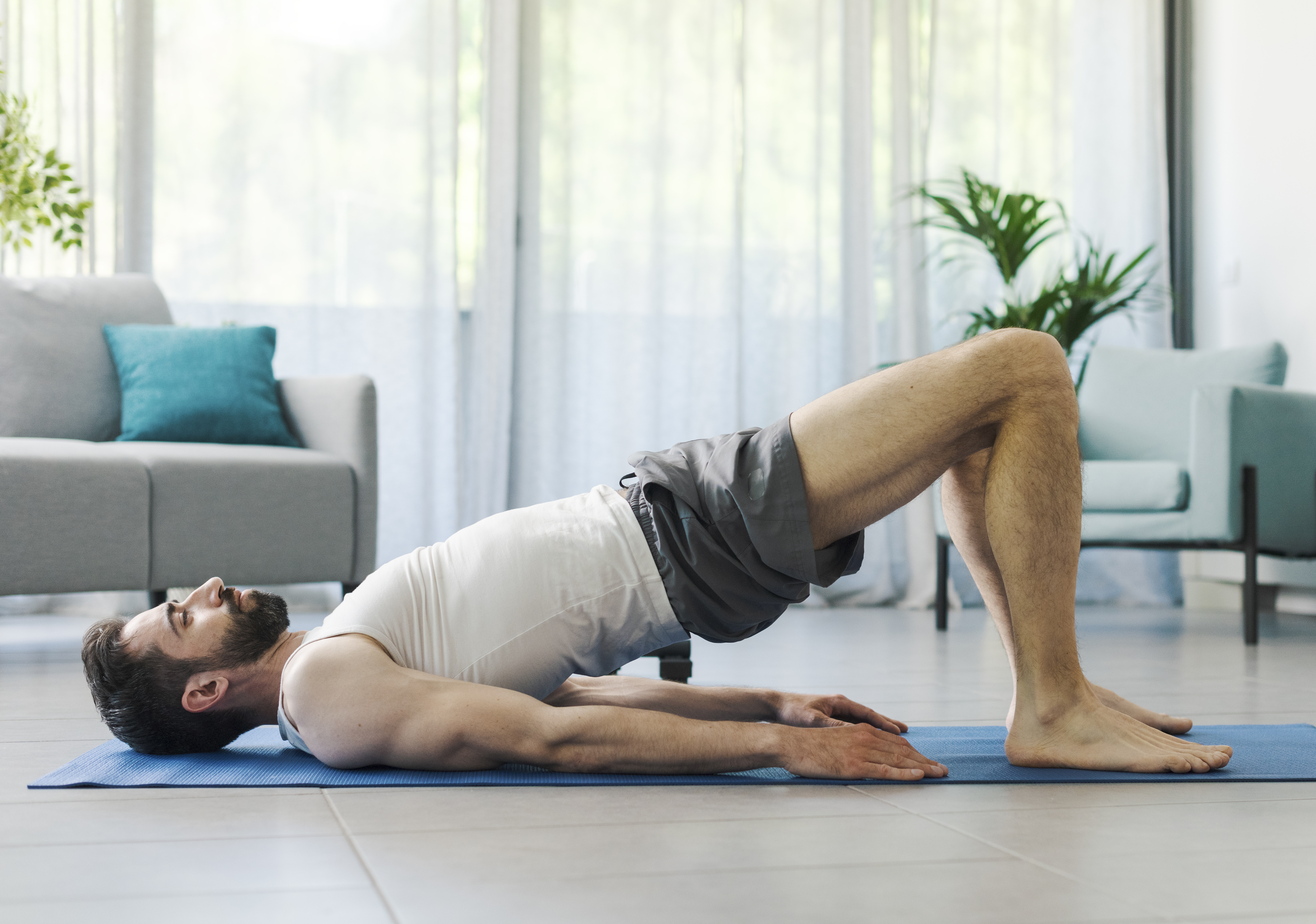
Men’s Pelvic Health: When to See a Physio in Cairns
Disclaimer
This article provides general information only and is not a substitute for professional healthcare advice, diagnosis or treatment.
Pelvic health isn’t something many men talk about openly, but that doesn’t mean it isn’t important.
From bladder issues and pelvic pain to recovery after surgery or discomfort during exercise, men can experience a range of symptoms linked to pelvic floor dysfunction and pelvic health concerns. And while these issues are common, they’re often brushed off, misdiagnosed, or left untreated for far too long.
The good news? You don’t have to just “put up with it.”
A qualified physiotherapist can help assess what’s going on, identify contributing factors, and create a treatment plan that supports long-term improvement.
If you’ve been dealing with symptoms that don’t feel quite right, here’s what to know about men’s pelvic health, and when it might be time to seek support.
What is men’s pelvic health?
Men’s pelvic health refers to the muscles, nerves, joints and connective tissues in and around the pelvis that support important functions like:
- bladder and bowel control
- sexual function
- pelvic stability
- core support
- movement and exercise
A big part of this system is the pelvic floor. These muscles sit at the base of the pelvis and work together with the abdominal muscles, diaphragm and lower back to support everyday function.
When these muscles are too weak, too tight, poorly coordinated, or under stress, it can lead to a range of symptoms that affect comfort, confidence and quality of life.
Common signs you may benefit from pelvic health physio
Pelvic health issues can show up in different ways, and not all of them are obvious.
Some of the more common signs men may benefit from seeing a physiotherapist include:
Bladder concerns
- leaking urine
- needing to rush to the toilet
- going more frequently than normal
- difficulty fully emptying the bladder
- dribbling after urination
Pelvic or lower body pain
- pain in the pelvic region
- testicular, penile or groin discomfort
- pain around the tailbone
- lower abdominal tension
- hip, lower back or deep core discomfort
Bowel symptoms
- constipation
- straining
- difficulty with bowel control
Exercise or movement-related symptoms
- pressure or heaviness through the pelvis
- discomfort during core exercises
- pain when running, lifting or training
- difficulty engaging the right muscles
Post-surgical recovery
Pelvic health physio may also be helpful for men recovering from procedures such as prostate surgery, where pelvic floor function can be affected.
If any of these symptoms sound familiar, it’s worth getting assessed. These issues are more common than many people realise, and they are often treatable.
Is pelvic floor physio just for women?
Not at all.
Pelvic floor physiotherapy is often associated with pregnancy and postnatal care, but pelvic floor issues can affect anyone, including men.
In fact, many men experience pelvic health symptoms without realising physiotherapy is even an option.
That can mean they delay seeking help, or assume their symptoms are simply something they have to live with. But in many cases, the right treatment and guidance can make a real difference.
Pelvic health physio isn’t just about strengthening muscles either. Sometimes the issue is actually too much tension, poor coordination, breathing patterns, posture, movement habits or surrounding muscle dysfunction.
That’s why a proper assessment matters.
What causes pelvic health issues in men?
There isn’t always one single cause.
Men’s pelvic health symptoms can be linked to a range of contributing factors, including:
- prolonged sitting
- high stress and tension
- chronic straining or constipation
- heavy lifting
- poor pressure management
- sporting loads or gym training
- surgery or medical procedures
- lower back, hip or abdominal dysfunction
Often, it’s a combination of things rather than one obvious trigger.
That’s why pelvic health physiotherapy looks at the bigger picture, not just the symptom itself.
What happens at a men’s pelvic health physio appointment?
For many men, the biggest hesitation is not knowing what to expect.
At Revolve Physio, the goal is to create a supportive and respectful environment where you can talk openly about what’s been going on without feeling awkward or judged.
Your appointment may include:
- a discussion about your symptoms, history and goals
- assessment of your pelvic floor muscles, posture, breathing, movement and strength
- looking at how your core and pelvic region are functioning together
- education around contributing factors and symptom management
- a treatment plan tailored to your needs
Depending on your symptoms and clinical presentation, your physio will explain what assessments are appropriate and talk you through everything clearly.
Treatment may involve:
- pelvic floor retraining
- breathing and pressure management strategies
- mobility and release work
- strengthening or coordination exercises
- return-to-exercise guidance
- education to help reduce flare-ups and improve confidence
When should you book in?
A good rule of thumb: if symptoms are affecting your comfort, confidence, training, sleep, work, or day-to-day life, it’s worth getting checked.
You don’t need to wait until things feel severe.
The earlier an issue is assessed, the easier it often is to understand what’s going on and start making progress.
If you’re looking for support with men’s pelvic health in Cairns, physiotherapy can be a practical and effective place to start.
At Revolve Physio, treatment is tailored to the individual, with a focus on helping you better understand your symptoms, move with more confidence, and feel more in control of your body again.
Whether you’re dealing with pelvic pain, bladder concerns, post-surgical changes, or symptoms that just don’t feel normal, you don’t have to navigate it alone.
About Revolve Physio
Revolve Physio is a locally owned and operated clinic in Cairns focused on clear communication, personalised care and movement-based rehabilitation. The team supports people across a range of physiotherapy areas, including general musculoskeletal concerns, sports-related strains, women’s health, paediatrics and post-injury recovery. Revolve’s approach is centred around helping people understand their bodies, build confidence in movement, and work towards meaningful goals in a friendly, supportive environment.
Disclaimer
This article provides general information only and is not a substitute for professional healthcare advice, diagnosis or treatment.