


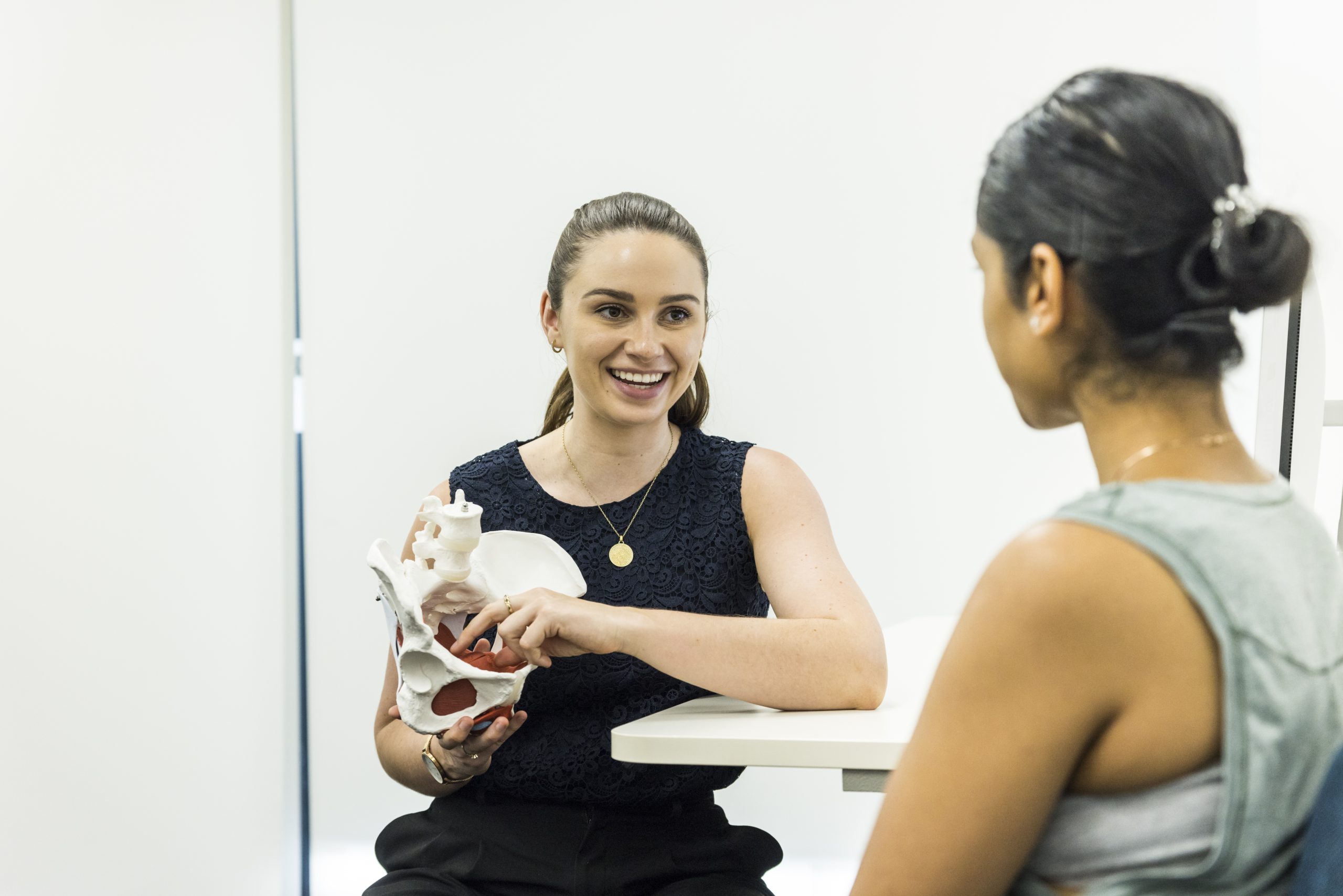
Pelvic Floor Dysfunction in Women: Signs You Shouldn’t Ignore
Disclaimer
This article provides general information only and is not a substitute for professional healthcare advice, diagnosis or treatment.

Pelvic floor issues are more common than many women realise — but they’re not often talked about.
If you’ve noticed changes in bladder control, pelvic discomfort, or symptoms that don’t quite feel right, you’re not alone. These can often be linked to pelvic floor dysfunction, and in many cases, they’re something that can be treated with the right support.
The key is knowing what to look for, and when to take action.
What is pelvic floor dysfunction?
Your pelvic floor is a group of muscles that sit at the base of your pelvis. They play an important role in:
- supporting your bladder, bowel and reproductive organs
- controlling bladder and bowel function
- contributing to core strength and stability
- working with your breathing and movement patterns
Pelvic floor dysfunction occurs when these muscles aren’t working as they should.
That doesn’t always mean they’re “weak”. In some cases, they may be:
- too tight
- poorly coordinated
- not activating at the right time
- under too much pressure from surrounding muscles
Because of this, symptoms can vary from person to person.
Common signs of pelvic floor dysfunction
Pelvic floor dysfunction can show up in subtle ways, or in ways that start to impact your day-to-day life.
Some of the most common signs include:
Bladder symptoms
- leaking urine when you cough, sneeze, laugh or exercise
- needing to rush to the toilet
- going to the bathroom more frequently than usual
- difficulty fully emptying your bladder
Pelvic discomfort or pain
- a feeling of heaviness or dragging in the pelvis
- lower abdominal or deep pelvic pain
- discomfort during or after exercise
- pain with prolonged sitting
Bowel symptoms
- constipation
- straining
- difficulty controlling bowel movements
Changes after pregnancy or birth
- reduced core strength or stability
- ongoing pelvic symptoms postpartum
- discomfort returning to exercise
Movement-related issues
- difficulty engaging your core
- feeling unstable during lifting or training
- symptoms that worsen with running or high-impact exercise
Pain or discomfort during intercourse
- pain or discomfort during intercourse
- tightness or tension through the pelvic region
- ongoing symptoms that affect comfort or confidence in intimacy
If any of these sound familiar, it’s worth getting assessed. These symptoms are common — but they’re not something you need to just live with.
What causes pelvic floor dysfunction?
There isn’t always one clear cause.
Pelvic floor dysfunction can develop over time and is often influenced by a combination of factors, including:
- pregnancy and childbirth
- high-impact exercise or heavy lifting
- prolonged sitting
- chronic straining or constipation
- stress and muscle tension
- breathing patterns and pressure management
- previous injuries or surgery
Often, it’s not just the pelvic floor itself, but how it works with the rest of your body that contributes to symptoms.
When should you see a pelvic health physiotherapist?
A good rule of thumb is: if something doesn’t feel right, it’s worth checking.
You don’t need to wait until symptoms become severe or disruptive.
Seeing a pelvic health physiotherapist early can help:
- identify what’s contributing to your symptoms
- prevent issues from worsening
- support a safe return to exercise
- improve confidence in your body again
Pelvic floor dysfunction is highly individual, which is why tailored assessment and treatment can make such a difference.
How pelvic health physiotherapy can help
Pelvic health physiotherapy focuses on understanding how your body is functioning as a whole — not just one muscle group.
At Revolve Physio, treatment may include:
- assessment of movement, posture and breathing
- pelvic floor muscle retraining (strength or relaxation)
- strategies to improve coordination and control
- guidance around exercise and load management
- techniques to reduce pain and tension
- education to help you manage symptoms day-to-day
The goal isn’t just short-term relief — it’s helping you move, train and live with confidence.
Pelvic floor physio in Cairns
If you’re experiencing symptoms of pelvic floor dysfunction, support is available.
Pelvic health physiotherapy can help you better understand what’s going on and give you a clear plan to move forward.
At Revolve Physio, care is tailored to your individual needs, whether you’re navigating postpartum recovery, returning to exercise, or dealing with symptoms that have been lingering for a while.
Book an appointment
If you’ve noticed any of the signs above, it’s worth having a conversation.
Book an appointment with Revolve Physio or get in touch with the team to learn more about pelvic health physiotherapy in Cairns.
About Revolve Physio
Revolve Physio is a locally owned and operated clinic in Cairns focused on clear communication, personalised care and movement-based rehabilitation. The team supports people across a range of physiotherapy areas, including general musculoskeletal concerns, sports-related strains, women’s health, paediatrics and post-injury recovery. Revolve’s approach is centred around helping people understand their bodies, build confidence in movement, and work towards meaningful goals in a friendly, supportive environment.
Disclaimer
This article provides general information only and is not a substitute for professional healthcare advice, diagnosis or treatment.